 info@featherflockers.com
 Aseel Fighting
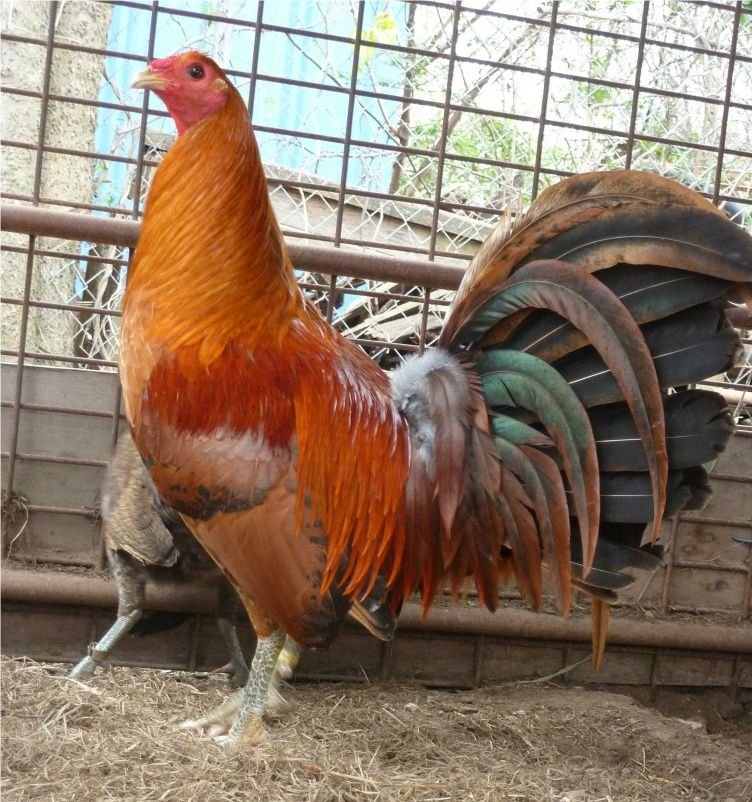

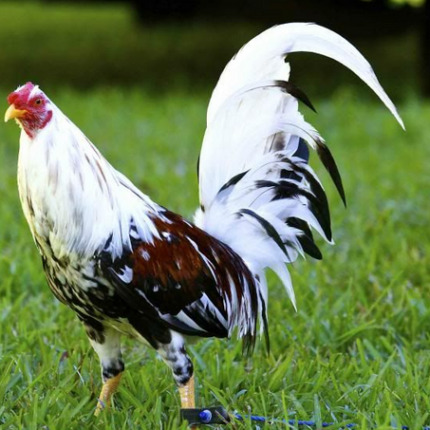
Red Quail: Complete Guide to This Hardy and Productive Quail Variety
Red quail are becoming increasingly popular among small-scale poultry keepers, homesteaders, and quail enthusiasts due to their hardiness, fast growth, and excellent productivity. Known for their reddish-brown plumage and efficient feed conversion, red quail are well suited for meat production, egg laying, and breeding programs. Their small size and low maintenance requirements make them an excellent option for beginners and experienced keepers alike.
This guide covers everything you need to know about red quail, including appearance, temperament, housing, feeding, breeding, and why they are a smart choice for sustainable poultry keeping.
What Are Red Quail?
Red quail typically refer to quail varieties that display rich reddish or brownish coloration, often associated with certain strains of Coturnix (Japanese) quail. These birds are not a separate wild species but rather selectively bred lines valued for productivity and adaptability.
They are commonly raised for:
-
Meat production
-
Egg laying
-
Breeding stock
-
Small farm or backyard systems
Their ability to thrive in confined spaces makes them ideal for urban and rural settings.
Appearance and Physical Characteristics
Red quail are compact birds with smooth, close-fitting feathers. Their coloration ranges from deep rust red to lighter brown tones, often with subtle patterning.
Typical traits include:
-
Small, rounded body
-
Short legs and wings
-
Reddish-brown plumage
-
Bright, alert eyes
Adult quail usually weigh between 6–8 ounces, depending on strain and diet.
Temperament and Behavior
Red quail are generally active but manageable birds. They are more flighty than chickens but calmer than some wild quail species.
Behavior traits include:
-
Quick movement and alertness
-
Minimal aggression when properly housed
-
Tolerance of group living in correct ratios
Providing adequate space and hiding areas helps reduce stress and improves overall flock health.
Egg Production and Purpose
One of the main reasons people raise red quail is for egg production. These birds mature quickly and begin laying at a young age.
Egg production details:
-
Start laying at 6–8 weeks
-
Produce up to 250–300 eggs per year
-
Eggs are small, speckled, and nutrient-dense
Quail eggs are popular for culinary use, pickling, and specialty markets.
Meat Quality and Growth Rate
Red quail are also valued for meat due to their fast growth and tender texture. They reach processing size quickly, often within 6–7 weeks.
Benefits for meat production:
-
Efficient feed conversion
-
Mild, flavorful meat
-
Suitable for small-scale operations
This makes them a practical option for those seeking sustainable protein sources.
Housing and Space Requirements
Quail require secure housing that protects them from predators and weather.
Recommended housing setup:
-
Enclosed cages or aviaries
-
1 sq ft per bird minimum
-
Solid flooring or wire with foot protection
-
Good ventilation without drafts
Because quail can fly upward suddenly, covered enclosures are essential.
Feeding and Nutrition
Proper nutrition is critical for healthy growth and egg production.
Ideal diet includes:
-
High-protein quail feed (20–24% protein)
-
Clean, fresh water at all times
-
Occasional greens or insects as supplements
Layer feed should be introduced once egg production begins to support shell quality.
Breeding and Reproduction
Red quail are easy to breed when kept under the right conditions.
Breeding tips:
-
Male-to-female ratio of 1:3 or 1:4
-
Collect eggs daily for incubation
-
Incubation period is about 17–18 days
Most keepers use incubators, as quail rarely brood naturally.
Health and Care
Quail are generally hardy but require clean conditions to thrive.
Basic care practices:
-
Regular cleaning of cages
-
Dry bedding to prevent disease
-
Monitoring for signs of stress or injury
With proper management, red quail can remain productive for up to one year or more.
Why Choose Red Quail?
Red quail are ideal if you:
-
Want fast-growing poultry
-
Have limited space
-
Prefer low-maintenance birds
-
Want both eggs and meat
They are especially popular for homesteads, small farms, and specialty poultry projects.
Red Quail
Red quail are a smart and efficient choice for anyone interested in compact, productive poultry. Their quick maturity, excellent egg production, and adaptability make them suitable for a wide range of keepers. Whether raised for eggs, meat, or breeding, these birds provide reliable results with minimal space and resources.
With proper housing, nutrition, and care, red quail can become a valuable and rewarding addition to your poultry setup.


Reviews
There are no reviews yet.