 info@featherflockers.com
 Aseel Fighting

Lavender Guinea Fowl: A Complete Guide to This Rare and Elegant Bird
Lavender guinea fowl are a rare and visually striking variety of guinea fowl, valued for their soft gray-purple plumage, alert nature, and usefulness on farms. Popular with homesteaders and small farmers, lavender guinea fowl combine beauty with strong pest-control abilities and natural flock protection.
What Are Lavender Guinea Fowl?
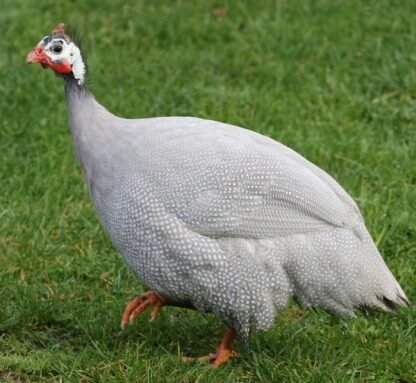
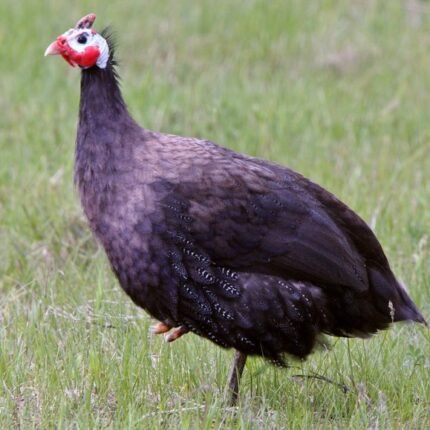
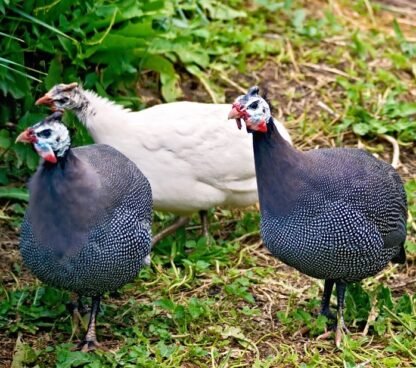
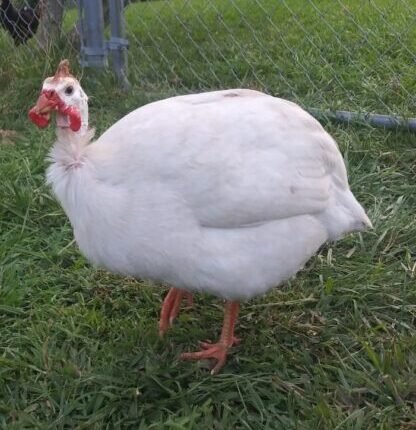
Lavender guinea fowl are a color variation of the helmeted guinea fowl. Instead of the traditional black-and-white spotted pattern, this variety displays a smooth, pale lavender or silvery-gray coloration. This unique appearance is why they are sometimes referred to as guinea fowl lavender or royal purple lavender guinea fowl.
Despite the name, these birds are not truly purple. The lavender tone becomes most visible in sunlight and after full feather development.
Appearance and Physical Traits
Lavender guinea fowl share the same body structure as other guinea varieties but differ in feather color.
Common features include:
-
Lavender-gray plumage
-
Dark helmet and skin
-
Compact, muscular body
-
Strong legs and upright posture
Both lavender guinea hens and males look very similar, making sex identification difficult until maturity. A mature lavender guinea hen is usually slightly smaller and less vocal than the male.
Lavender Guinea Hens and Egg Production
Lavender guinea hens are seasonal layers, producing eggs mainly during warmer months. Their eggs are:
-
Light brown to cream-colored
-
Thick-shelled and durable
-
Rich in flavor
A healthy hen can lay between 80 and 120 eggs per year. Many breeders value these eggs for hatching strong lavender guinea keets.
Raising Lavender Guinea Keets and Chicks
Baby guinea fowl are known as keets. Lavender guinea keets, sometimes called lavender guinea chicks, require careful care during their early weeks.
Keet Care Essentials:
-
Warm, dry brooder conditions
-
High-protein starter feed
-
Clean water access
-
Protection from drafts and moisture
As the keets grow, their lavender coloring gradually develops, becoming more pronounced after the first feather change.
Temperament and Behavior
Lavender guinea fowl are alert, active, and highly observant. Like other guinea fowl, they are vocal and serve as excellent natural alarms.
Behavior highlights:
-
Strong flock bonding
-
Effective pest control (ticks, insects)
-
Wary of strangers and predators
When raised from keets and handled regularly, lavender guinea fowl can be calmer than other varieties, especially within familiar environments.
Housing and Space Requirements
Lavender guinea fowl thrive in free-range or semi-free-range systems. They prefer open space and high roosting areas.
Housing tips:
-
Dry, well-ventilated shelter
-
Elevated roosts
-
Protection from extreme cold and rain
Although hardy, these birds benefit from secure nighttime housing to reduce predator risk.
Lavender Guinea Fowl vs Lavender Plants
Some people confuse lavender guinea fowl with ornamental plants such as lavender new guinea impatiens or new guinea impatiens lavender. These are flowering plants used in gardens and are unrelated to poultry.
To clarify:
-
Lavender guinea fowl are birds raised for farming and pest control
-
Lavender new guinea impatiens are decorative plants
The similarity is only in the color name.
Why Choose Lavender Guinea Fowl?
Farmers and poultry keepers choose lavender guinea fowl for many reasons:
-
Rare and attractive coloration
-
Excellent insect and tick control
-
Hardy, low-maintenance birds
-
Natural flock guardians
They are ideal for rural properties, mixed flocks, and breeders seeking unique poultry varieties.
Lavender guinea fowl offer a perfect balance of beauty, utility, and resilience. From raising healthy lavender guinea keets to managing productive lavender guinea hens, these birds provide long-term value. When given space, proper care, and shelter, lavender guinea fowl thrive and become a standout addition to any farm or homestead.


Reviews
There are no reviews yet.