 info@featherflockers.com
 Aseel Fighting

Indian Blue Peafowl: Care, Characteristics, and Buying Guide
Indian Blue Peafowl are among the most recognizable ornamental birds in the world, admired for their dazzling colors, graceful movement, and historic significance. Often seen on estates, farms, and large properties, these birds are valued not only for their beauty but also for their hardiness and long lifespan. This guide explains how to care for them, what makes them unique, and what to consider before purchasing—while keeping content natural and SEO-balanced.
Overview of This Iconic Peacock
Native to South Asia, the Indian Blue Peacock is the national bird of India and one of the oldest domesticated ornamental birds. The species includes both males (peacocks) and females (peahens), each playing a distinct role in appearance and behavior.
They are well known for adapting to different climates and thriving in open environments where space and shelter are available.
Physical Appearance and Differences Between Sexes
Male Birds
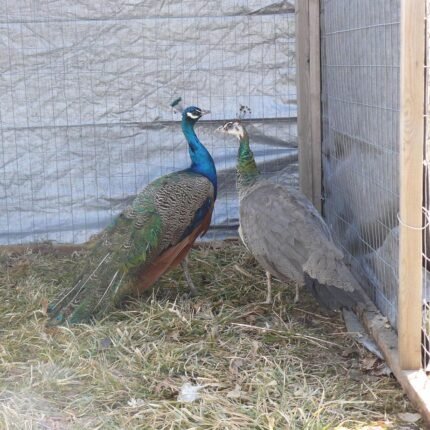
Males are famous for their shimmering blue necks and long, iridescent tail trains used during courtship displays. These trains are covered in eye-shaped markings that reflect green, bronze, and gold tones under sunlight.
Female Birds
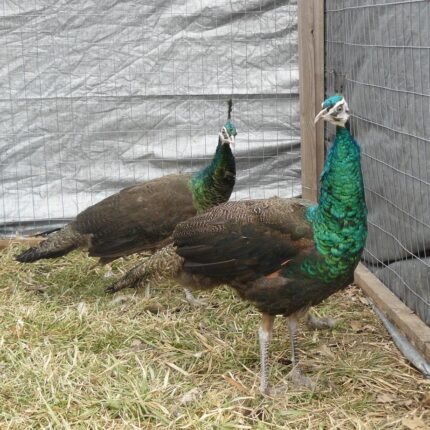
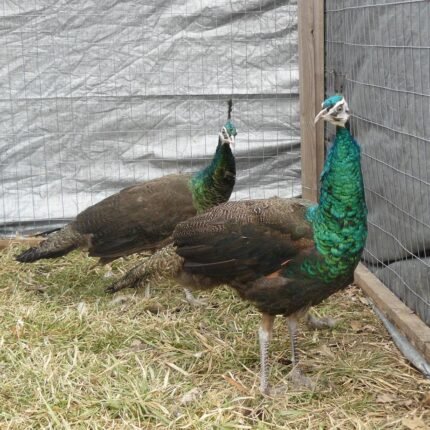
Females lack the long tail train and are more subtly colored with brown, tan, and green feathers. This coloration provides camouflage while nesting and raising chicks.
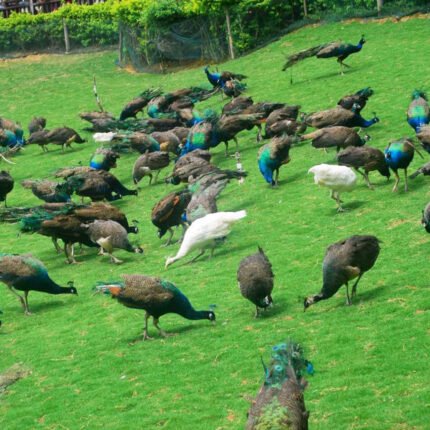
Together, males and females create a visually striking contrast within a flock.
Temperament and Natural Behavior
These birds are intelligent, alert, and naturally cautious. While generally calm, they are vocal—especially during breeding season. Their calls can be loud, which is an important consideration for residential settings.
Common behavioral traits include:
-
Strong instinct to roost high off the ground
-
Territorial behavior during mating season
-
Excellent predator awareness
-
Independent but social flock behavior
They are best suited to properties where noise and roaming are not an issue.
Space and Housing Needs
Adequate space is critical for long-term health and feather condition. These birds do not thrive in small enclosures.
Housing Essentials
-
Large outdoor area or pasture
-
Tall fencing or fully enclosed aviary
-
Secure nighttime shelter
-
High roosting bars or trees
Shelter should protect from wind, rain, and predators while remaining dry and well ventilated.
Feeding and Nutrition
A balanced diet supports feather quality, immune health, and breeding success. These birds are omnivorous and benefit from varied nutrition.
Recommended diet includes:
-
Quality game bird or peafowl feed
-
Grains such as corn, wheat, or barley
-
Fresh greens and vegetables
-
Occasional insects or protein supplements
-
Constant access to clean water
Proper feeding is especially important during molting and breeding seasons.
Breeding and Reproduction
Breeding typically occurs in spring and early summer. Males display their tail feathers to attract mates, while females select nesting areas on the ground.
Breeding facts:
-
One male can breed with several females
-
Females lay 4–8 eggs per clutch
-
Incubation lasts about 28–30 days
-
Chicks require warmth and protection
Good nutrition and stress-free environments greatly improve hatch rates and chick survival.
Health, Lifespan, and Hardiness
These birds are known for their resilience and longevity. With proper care, many live 15 to 20 years or longer.
Basic health practices include:
-
Dry living conditions
-
Regular parasite checks
-
Clean water daily
-
Safe roosting areas
They tolerate cold climates well but must stay dry to avoid health issues.
Comparison With Other Peacock Varieties
Compared to rarer color mutations, this classic variety offers:
-
Stronger fertility rates
-
Better adaptability
-
Lower maintenance needs
-
More predictable genetics
This makes them ideal for beginners and experienced keepers alike.
Who Should Consider Owning These Birds?
They are well suited for:
-
Farms and homesteads
-
Large rural properties
-
Estates and ornamental grounds
-
Breeding programs
-
Collectors of classic ornamental birds
They are not recommended for small backyards or noise-restricted neighborhoods.
Buying Tips and Selection Advice
When selecting birds, look for:
-
Alert behavior and strong posture
-
Clean feathers and clear eyes
-
Healthy legs and feet
-
Reputable breeders with good husbandry practices
Ask about age, sex, and breeding background to ensure quality stock.
Indian Blue Peafowl remain one of the most timeless and rewarding ornamental birds to own. Their beauty, resilience, and historical importance make them a standout choice for anyone with adequate space and interest in long-term care.
With proper housing, nutrition, and management, these birds become a breathtaking centerpiece on any property—offering elegance, longevity, and a truly unforgettable presence.



Reviews
There are no reviews yet.