 info@featherflockers.com
 Aseel Fighting
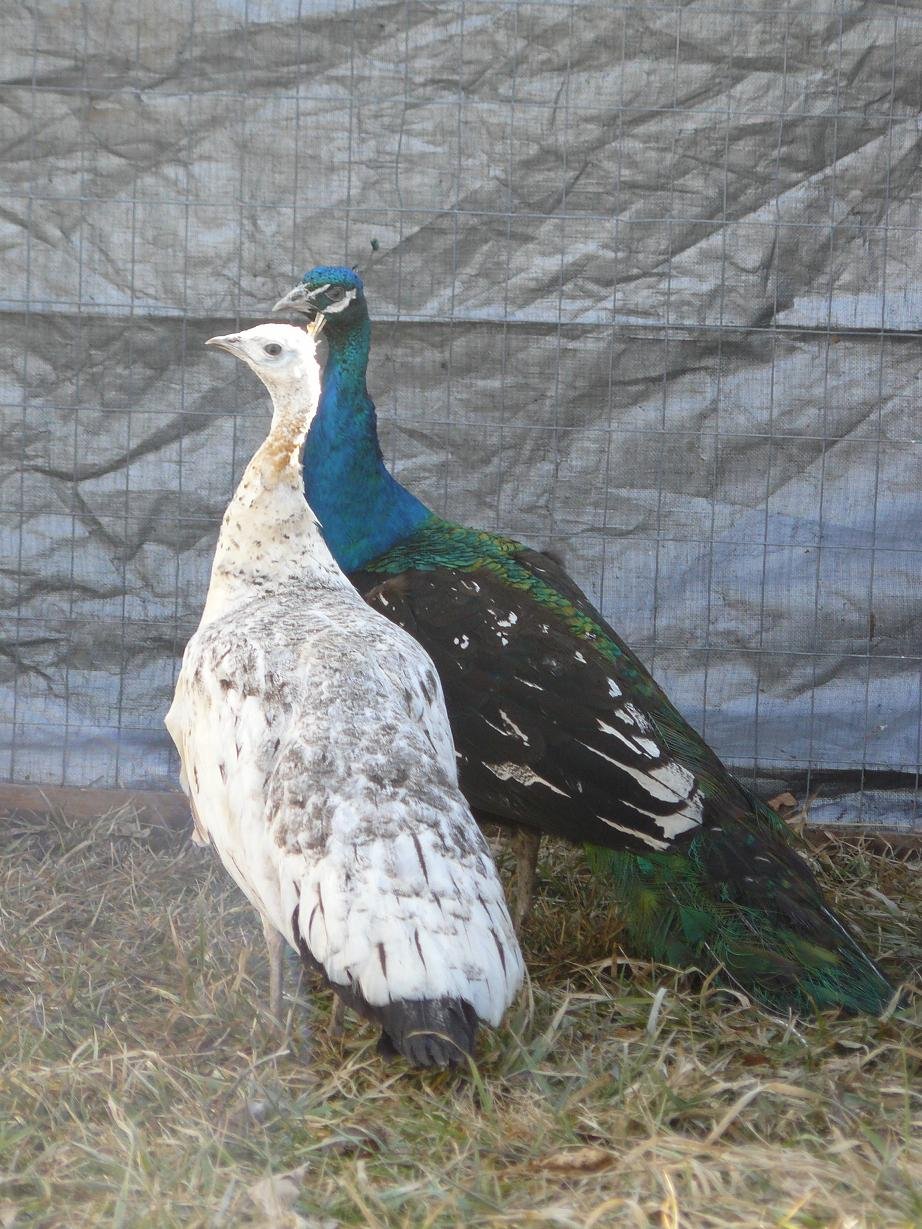
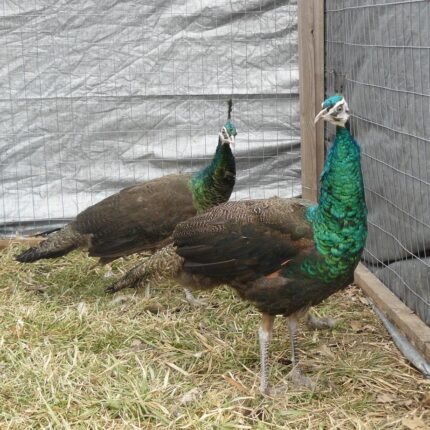
Black Shoulder Peafowl: A Rare and Elegant Peacock Variety
The Black Shoulder Peafowl is admired worldwide for its dramatic coloration and graceful appearance. This unique peacock variety is considered one of the most visually striking ornamental birds, making it a favorite among breeders, collectors, and estate owners. Its bold contrast and refined feather pattern set it apart from traditional peacock varieties.
Origin and Genetic Background
This bird is a color mutation of the Indian peafowl (Pavo cristatus). The mutation affects feather pigmentation, resulting in solid dark shoulders and bright white wing panels instead of the typical patterned wings seen on standard blue peacocks. Because the mutation is genetically dominant, it is commonly used in selective breeding programs.
Collectors value this variety not only for its looks but also for its predictable breeding outcomes when paired correctly.
Physical Appearance and Plumage
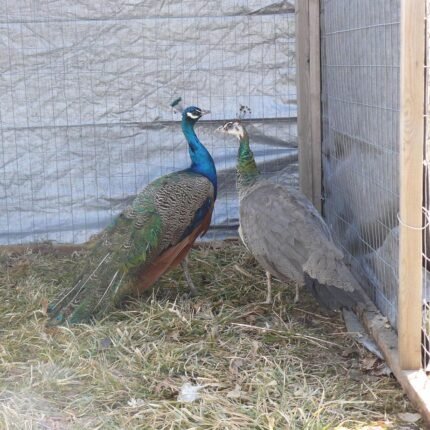
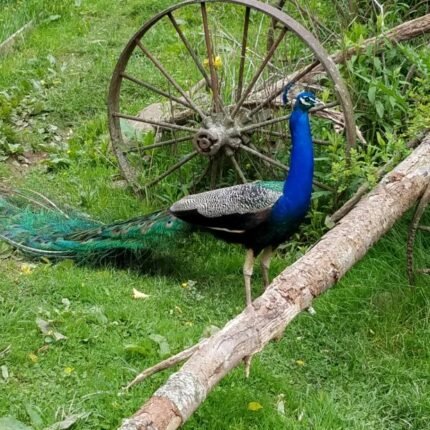
One of the most appealing traits of this peafowl variety is its clean and high-contrast coloration. Adult males feature:
-
Dark shoulder feathers that create a bold outline
-
Bright blue-green neck and chest
-
Long, iridescent train feathers during breeding season
-
Crisp white wing coverts
Females are lighter in appearance, usually displaying soft gray and white tones that blend well into natural environments. Although they lack the long train, hens are still attractive and elegant birds.
Temperament and Adaptability
This peacock variety is known for being alert yet manageable. While males can become vocal during mating season, their overall temperament is similar to other ornamental peafowl. They adapt well to free-range conditions when provided with adequate space and predator protection.
These birds are hardy and can tolerate a wide range of climates, provided they have shelter from extreme weather and access to clean food and water.
Housing and Care Requirements
Proper care is essential for maintaining healthy birds and vibrant plumage. Key care considerations include:
-
Space: Open areas for roaming and displaying
-
Shelter: Secure roosting areas to protect from predators
-
Diet: High-quality game bird feed supplemented with grains, greens, fruits, and insects
-
Water: Fresh, clean water available at all times
-
Health Management: Routine parasite control and clean housing
Ample space is especially important for males during display season to prevent feather damage.
Breeding and Egg Production
Breeding typically begins in spring and early summer. A recommended breeding ratio is one male to three or four hens. Females lay eggs in ground nests, and incubation lasts around 28 to 30 days.
Both natural incubation and artificial incubators are effective. Due to the dominant genetic trait, offspring often inherit the distinctive shoulder coloration when bred responsibly.
Popular Uses and Demand
This peafowl variety is widely used for:
-
Ornamental gardens and estates
-
Aviaries and wildlife collections
-
Breeding programs
-
Educational and zoological displays
Its rarity and visual appeal contribute to strong demand, especially among exotic bird enthusiasts.
Purchasing Tips
When buying ornamental peafowl, always choose reputable breeders who focus on health, proper nutrition, and ethical breeding practices. Birds may be available as chicks, juveniles, or adult breeding pairs depending on the season.
Confirm age, sex, health status, and transport arrangements before completing a purchase.
This elegant peacock variety remains a top choice for anyone seeking a rare, eye-catching ornamental bird. With proper housing, nutrition, and space, these birds thrive and become a stunning focal point in any setting. Their beauty, genetics, and continued demand make them a valuable addition to both private and commercial collections.


Reviews
There are no reviews yet.