 info@featherflockers.com
 Aseel Fighting

Black Minorca Chickens: A Complete Guide to This Elegant Egg-Laying Breed
The Black Minorca is a classic Mediterranean poultry breed known for its graceful appearance and impressive egg production. Valued by backyard keepers and small-scale farmers, this chicken stands out for its large white eggs, glossy plumage, and active nature. If you are looking for a productive and visually striking bird, this breed is worth serious consideration.
Origin and History
This chicken breed originated on the island of Minorca, off the coast of Spain. It was later refined in England and became popular in other parts of the world due to its strong laying ability. Over time, the breed gained recognition for producing some of the largest white eggs among non-hybrid chickens.
Physical Characteristics
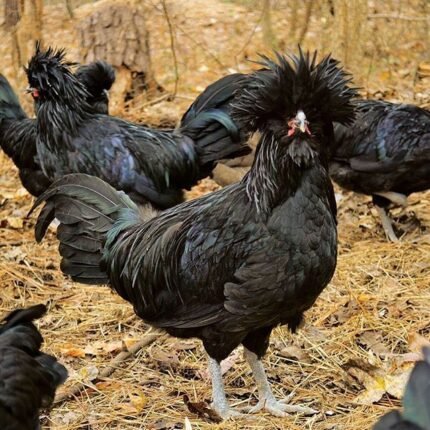
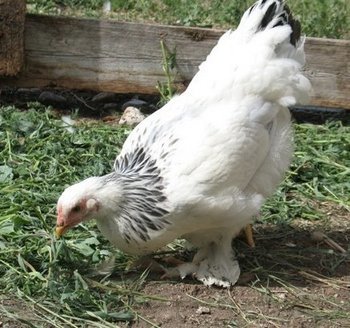
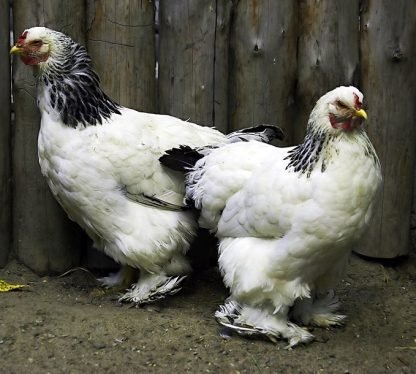
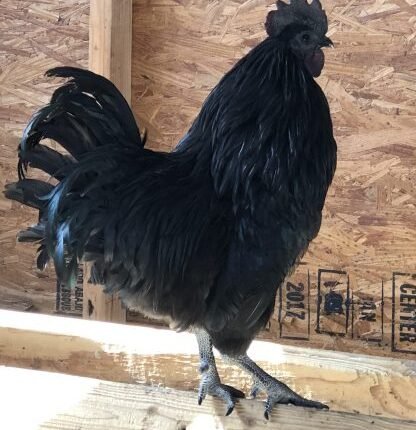
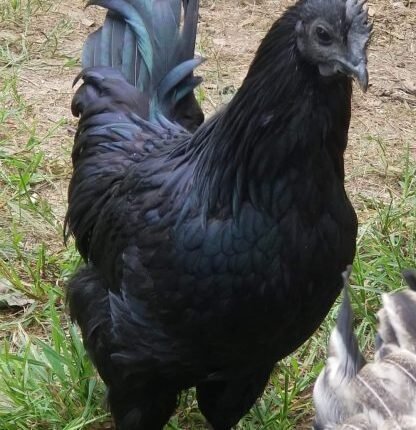
The black minorca chicken is easily recognized by its jet-black feathers with a green metallic sheen. The birds are tall and well-built, with long legs and a confident posture.
Key features include:
-
Large single comb
-
Bright white earlobes
-
Dark slate legs
-
Sleek, athletic body
A mature black minorca hen typically weighs 6–7 pounds, while males are noticeably larger. Their striking contrast of black feathers and white facial features makes them popular in exhibition flocks.
Egg Production and Quality
One of the main reasons poultry keepers choose this breed is egg size. Black minorca eggs are extra-large to jumbo and have a clean white shell. Under good management, a healthy hen can produce up to 250 eggs per year.
Although production may slow during winter months, the overall egg quality and size make this breed highly desirable for egg-focused keepers.
Temperament and Activity Level
These birds are active, alert, and intelligent. They are not typically cuddly, but they adapt well to free-range environments. Because of their awareness and agility, they are good at avoiding predators.
This breed prefers space and may become stressed in tight confinement. For best results, provide room to roam and opportunities to forage naturally.
Raising Chicks and Pullets
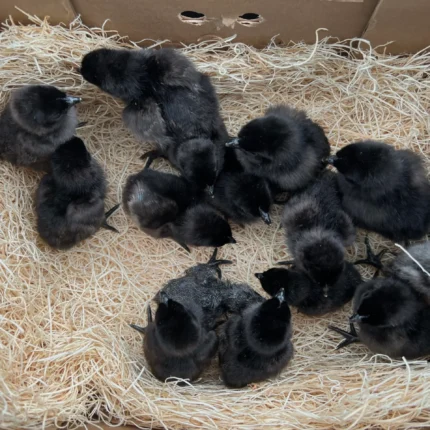
Black minorca chicks are hardy when started correctly. They grow quickly and develop strong legs and posture early on.
Care tips:
-
Maintain proper brooder temperature
-
Provide clean bedding and ventilation
-
Feed a high-protein starter diet
As they mature, black minorca pullets usually begin laying between five and six months of age. Switching to layer feed at the right time supports strong shells and consistent output.
Housing and Climate Needs
This breed performs best in warm or moderate climates. Large combs and earlobes can be vulnerable to frostbite in cold regions.
Housing recommendations:
-
Dry, well-ventilated coop
-
Shade during hot weather
-
Protection from drafts in winter
Good airflow is essential, as damp conditions can lead to health problems.
Feeding and General Care
A balanced diet is key to maintaining productivity and health. Provide:
-
Quality layer feed
-
Access to grit and calcium
-
Constant supply of clean water
Because these birds are excellent foragers, free-ranging can reduce feed costs while improving overall condition.
Why Choose This Breed?
Many keepers appreciate this breed for its:
-
Large white egg production
-
Elegant appearance
-
Strong foraging instincts
-
Long productive lifespan
Whether raised for eggs or aesthetics, black minorcas offer both performance and beauty.
The black minorca chicken is an excellent choice for poultry keepers seeking large eggs, active birds, and a visually impressive flock. With proper housing, nutrition, and space, these chickens can thrive and provide consistent value for years.



Reviews
There are no reviews yet.