 info@featherflockers.com
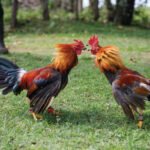 Aseel Fighting
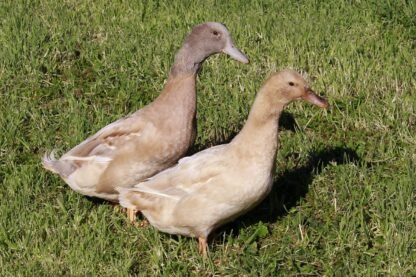


Buff Duck: Care, Egg Production, and Buying Guide
Buff-colored ducks are a favorite among poultry keepers because of their calm temperament, attractive appearance, and reliable dual-purpose performance. These ducks are commonly raised for both eggs and meat, making them a practical choice for backyard flocks, homesteads, and small farms. Their gentle behavior and adaptability also make them well suited for beginners.
This guide explains their characteristics, productivity, care needs, and what to look for before purchasing—while keeping keyword usage balanced and natural.
Overview of Buff-Colored Ducks
Buff-colored ducks, most often associated with the Buff Orpington variety, are medium to large birds with warm golden plumage. They were developed to be hardy, productive, and easy to manage. Unlike highly specialized breeds, they offer balanced performance across multiple purposes rather than excelling in only one area.
Because of their moderate size and steady nature, they adapt well to a wide range of climates and housing setups.
Egg Production and Laying Performance
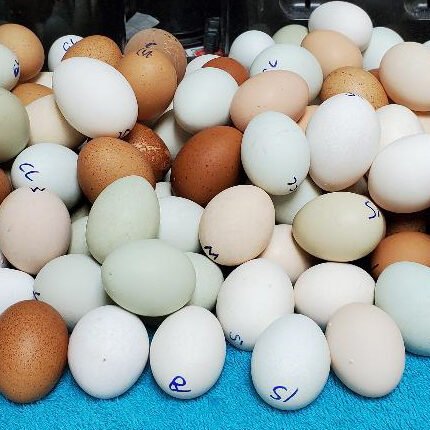
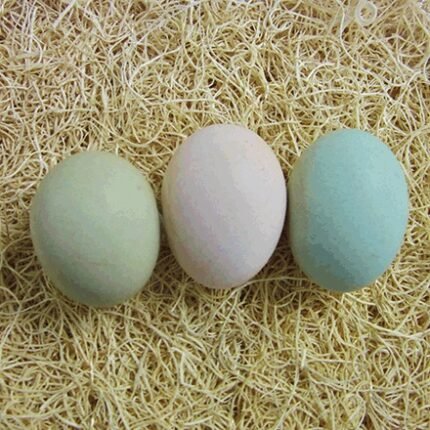
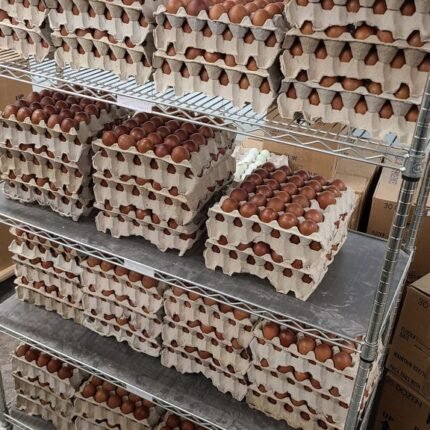
These ducks are dependable layers under proper care. Many hens produce around 180–220 eggs per year, with some exceeding that range in ideal conditions. The eggs are typically medium to large, with shells ranging from white to lightly tinted.
Key advantages of their laying performance include:
-
Consistent output across seasons
-
Good production even in cooler weather
-
Longer productive lifespan than some lighter breeds
Duck eggs are popular for baking and cooking due to their rich yolks and higher nutrient content.
Meat Quality and Growth Traits
In addition to eggs, these ducks are valued for meat production. They have a well-rounded body that provides good yield without excessive fat. The meat is known for its mild flavor and tenderness, making it suitable for home consumption and small-scale production.
Growth is steady rather than rapid, which contributes to better texture and overall quality.
Temperament and Behavior
One of the most appealing traits of buff-colored ducks is their temperament. They are generally calm, friendly, and easy to handle. This makes them a good choice for families, mixed flocks, and environments where frequent human interaction is expected.
Behavior traits include:
-
Gentle, non-aggressive nature
-
Strong flock bonding
-
Less flighty behavior compared to lighter duck breeds
Their relaxed demeanor reduces stress within the flock and simplifies daily care.
Housing and Space Needs
Proper housing plays a key role in maintaining health and productivity. These ducks do not need perches like chickens but require:
-
Dry, predator-proof shelter
-
Clean bedding such as straw or pine shavings
-
Adequate ventilation to manage moisture
Ground-level sleeping areas are preferred. Sufficient floor space helps prevent overcrowding and supports consistent egg laying.
Feeding and Nutrition
A balanced diet is essential for long-term performance. These ducks thrive on:
-
High-quality duck or all-flock feed
-
Adequate protein levels during laying periods
-
Constant access to fresh, clean water
Supplemental greens, grains, and pasture foraging improve overall health. Calcium sources such as oyster shell or crushed eggshells help maintain strong eggshells and reduce laying issues.
Water Requirements
While a pond is not required, access to water deep enough for head dipping is important. Ducks use water to clean their bills, eyes, and nostrils. A shallow pool or sturdy water container that can be refreshed regularly is usually sufficient.
Clean water also plays a major role in preventing health problems.
Health, Hardiness, and Maintenance
Buff-colored ducks are known for their resilience. With basic care, they experience fewer health issues than many poultry breeds. Their strong immune systems and adaptable nature make them suitable for a variety of environments.
Essential health practices include:
-
Dry living conditions
-
Fresh water changed daily
-
Balanced nutrition
-
Routine observation for early signs of illness
Regular maintenance helps ensure long productive lives.
Comparison With Other Duck Breeds
When compared to highly specialized duck breeds, these ducks offer a balanced mix of traits:
-
Better meat yield than lightweight egg breeds
-
More consistent egg production than heavy meat breeds
-
Calmer temperament than very active foraging ducks
This versatility makes them an excellent all-around option for keepers who want flexibility rather than specialization.
Who Should Choose This Breed?
Buff-colored ducks are well suited for:
-
Backyard poultry keepers
-
Homesteaders wanting eggs and meat
-
Families seeking gentle, manageable birds
-
Small farms with mixed production goals
-
Beginners looking for hardy ducks
Their adaptability allows them to perform well in both small and larger flock settings.
Buying Tips and Selection Advice
When purchasing, look for:
-
Active, alert birds
-
Clean feathers and bright eyes
-
Strong legs and steady movement
-
Reputable breeders or hatcheries with good health practices
Healthy starter stock leads to better productivity and fewer issues later.
Buff-colored ducks provide a dependable combination of productivity, temperament, and ease of care. With steady egg production, quality meat, and calm behavior, they remain a popular choice for many types of poultry keepers.
Whether you are starting a backyard flock or expanding a small farm, these ducks offer long-term value, manageable care requirements, and consistent performance—making them a practical and rewarding addition to any poultry setup.



Reviews
There are no reviews yet.