 info@featherflockers.com
 Aseel Fighting
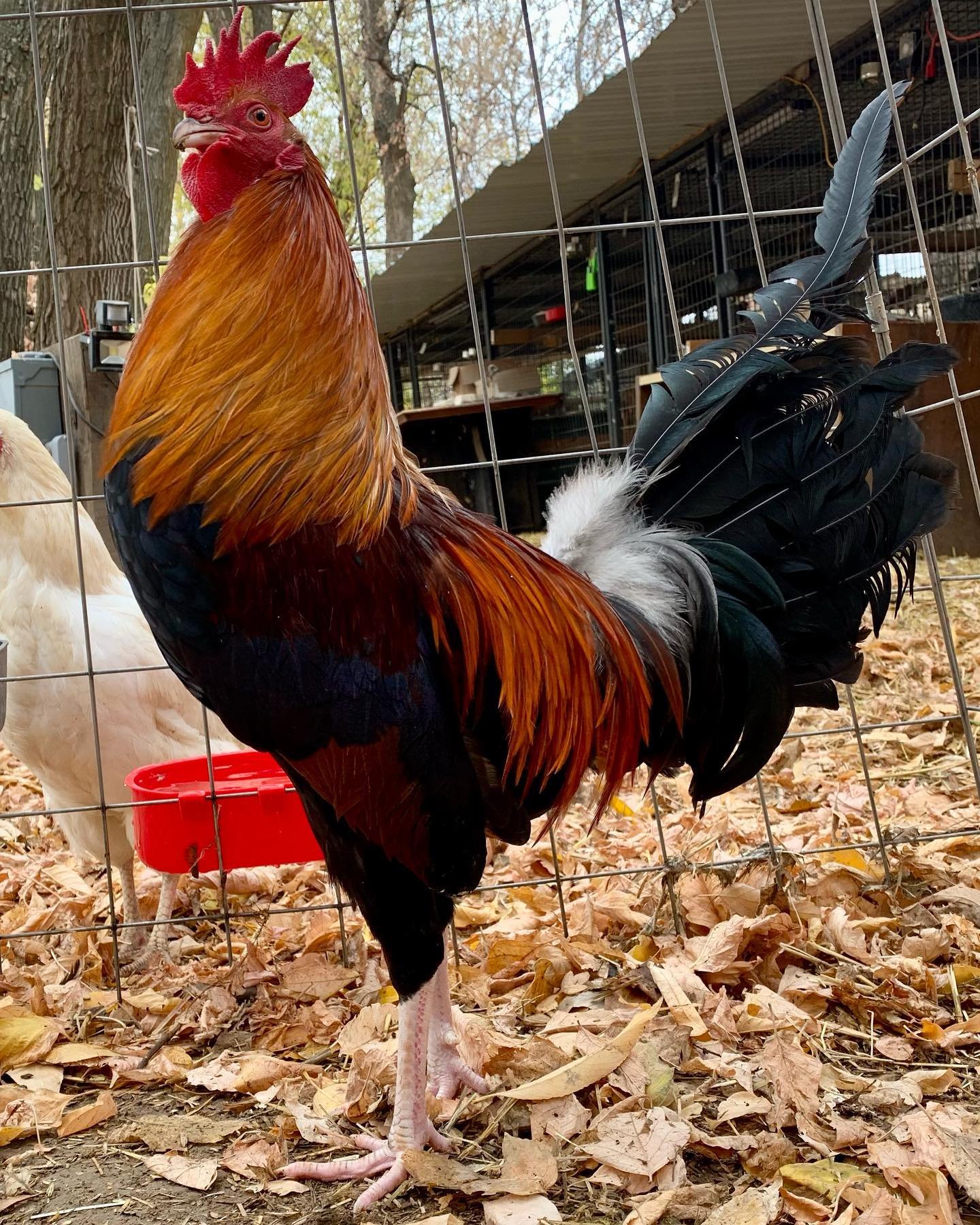

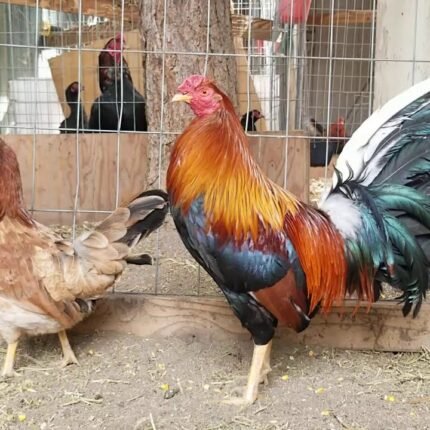
Gleezen Whitehackle: In-Depth Guide to a Classic Heritage Gamefowl Strain
The Gleezen Whitehackle is regarded as one of the classic heritage whitehackle gamefowl lines preserved by experienced breeders. Known for its distinctive white neck feathers, balanced structure, and long-standing lineage, this strain is valued primarily for heritage breeding and educational purposes rather than commercial poultry production.
This guide explains the background, physical traits, behavior, care requirements, and historical importance of this respected gamefowl bloodline.
Background and Development of the Strain
This whitehackle line traces its roots to traditional gamefowl breeding programs that focused on consistency, stamina, and structural soundness. Over generations, careful selection helped maintain the recognizable hackle coloration and overall balance that defines the strain today.
Unlike utility chickens developed for eggs or meat, these birds were refined through selective breeding aimed at preserving historical characteristics. Because of this, they are usually maintained by knowledgeable keepers who prioritize bloodline integrity over quantity.
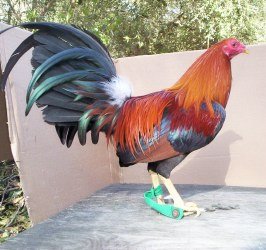
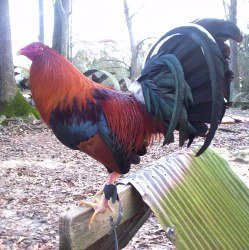
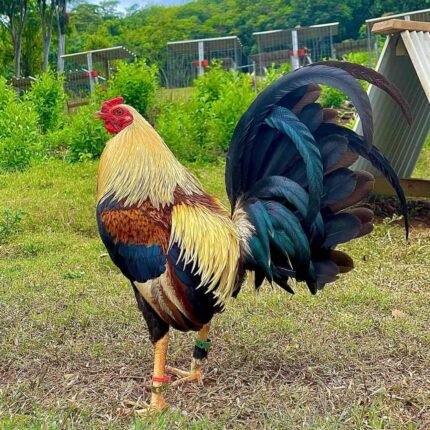
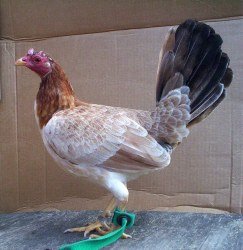
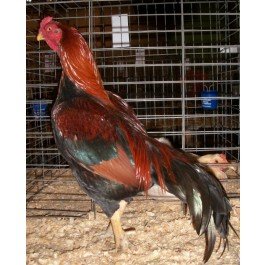
Birds from this strain are easily recognized by their strong yet balanced appearance.
Typical physical characteristics include:
-
Bright white hackle feathers around the neck
-
Tight, smooth plumage across the body
-
Upright and alert posture
-
Athletic, well-proportioned frame
-
Strong legs and firm stance
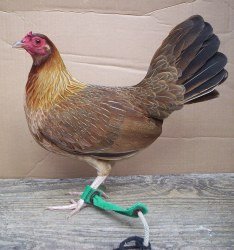
Roosters generally show more dramatic contrast in hackle coloration, while hens display the same features in a more subtle form.
Temperament and Natural Behavior
These birds are alert, energetic, and confident by nature. They are not considered docile backyard poultry and are best managed by keepers familiar with traditional gamefowl behavior.
Common behavior traits include:
-
High awareness of surroundings
-
Active movement and agility
-
Confident presence
-
Predictable behavior when properly handled
Because of their nature, they are typically kept in controlled environments rather than mixed flocks with calm utility breeds.
Breeding Importance and Genetic Value
This heritage line holds significant value among preservation-focused breeders. Key reasons include:
-
Consistent physical traits
-
Strong vitality and endurance
-
Clear visual identification markers
-
Long-standing breeder recognition
Maintaining genetic purity is essential. Breeders carefully select mating pairs to preserve classic whitehackle characteristics and avoid dilution of the strain.
Housing and Space Needs
Due to their active disposition, birds from this line require secure and spacious housing.
Recommended housing setup:
-
Individual pens or clearly separated enclosures
-
Strong fencing to prevent escape
-
Dry, well-ventilated shelters
-
Elevated roosting areas
Adequate space helps reduce stress and supports healthy development.
Feeding and Nutrition
Proper nutrition is important for maintaining condition and feather quality.
A balanced feeding program may include:
-
High-quality breeder or gamefowl feed
-
Controlled protein levels appropriate to age
-
Whole grains such as corn or wheat
-
Occasional fresh greens
-
Continuous access to clean water
During breeding periods, nutritional adjustments may be made to support fertility and overall vitality.
Health and General Care
When raised in clean, well-managed conditions, these birds are generally hardy.
Routine care includes:
-
Regular observation for signs of illness or stress
-
Clean feeding and watering equipment
-
Dry bedding to prevent foot problems
-
Preventive parasite management
Good sanitation and attentive care are essential for long-term health.
Comparison With Other Whitehackle Lines
Compared to other whitehackle strains, this line is often noted for:
-
Balanced structure rather than extremes
-
Consistent appearance across generations
-
Strong historical documentation
-
Recognition among heritage-focused breeders
These qualities make it appealing to preservation-minded enthusiasts.
Who Should Raise This Type of Gamefowl?
This strain is best suited for:
-
Experienced gamefowl breeders
-
Heritage poultry enthusiasts
-
Educational or preservation programs
-
Keepers with adequate space and secure facilities
It is not recommended for beginners or casual backyard poultry keepers.
Ethical and Legal Responsibilities
Anyone raising gamefowl should:
-
Follow all local and regional poultry regulations
-
Practice humane handling and care
-
Focus on responsible breeding and long-term welfare
Ethical stewardship helps protect heritage strains for future generations.
The Gleezen Whitehackle represents an important part of traditional gamefowl history. Valued for its distinctive appearance, balanced traits, and preserved lineage, this strain continues to attract breeders focused on heritage conservation.
With proper housing, nutrition, and ethical management, this classic whitehackle line remains a respected and enduring example of traditional poultry breeding.




Reviews
There are no reviews yet.