 info@featherflockers.com
 Aseel Fighting
Buy Shamo Roosters: Complete Guide to a Powerful Japanese Heritage Breed
If you are planning to buy Shamo roosters, you are considering one of the most distinctive and historically important Japanese gamefowl breeds. These birds are admired for their upright stance, muscular build, and disciplined presence. Rather than being raised for eggs or meat, Shamo males are valued for heritage breeding, exhibition, and preservation of traditional bloodlines.
This guide explains the origin of the breed, physical traits, temperament, care requirements, and what to look for when purchasing quality birds.
Understanding the Shamo Breed
Shamo is a Japanese gamefowl breed developed centuries ago through selective breeding that emphasized posture, strength, and balance. Unlike common backyard chickens, these birds were refined for form and discipline rather than productivity.
They are typically kept for:
-
Heritage breeding programs
-
Bloodline preservation
-
Educational and exhibition purposes
-
Specialized poultry collections
Because of their unique characteristics, they are best suited for knowledgeable and experienced keepers.
History and Origin
The breed traces its roots to ancient Asiatic gamefowl introduced to Japan, where breeders refined them over generations. Careful selection produced birds with an upright carriage, powerful legs, and firm musculature.
Different regional lines exist today, but all share core traits that define the breed. Modern preservation efforts focus on maintaining these historic characteristics responsibly.
Physical Characteristics and Appearance
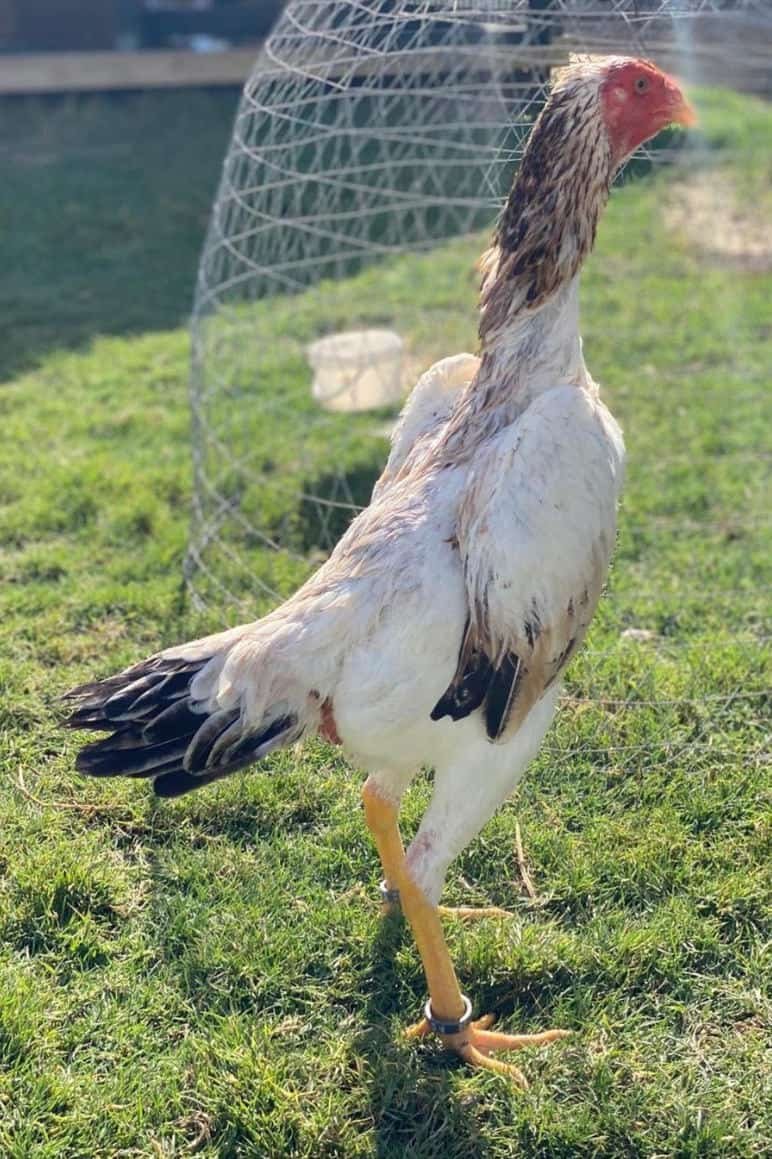
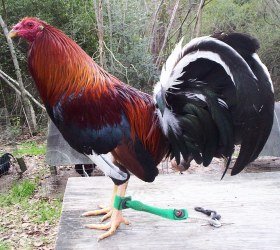
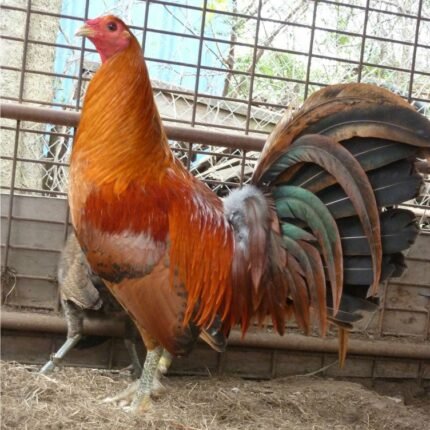
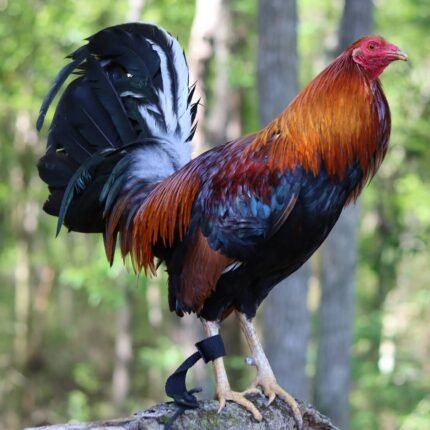
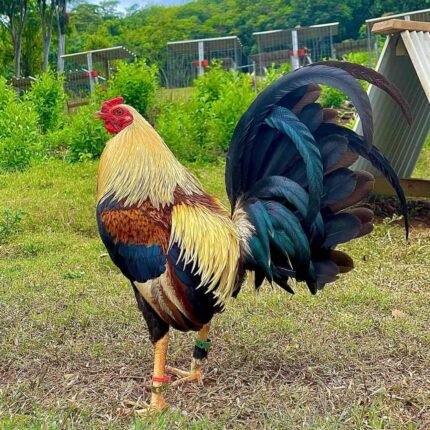
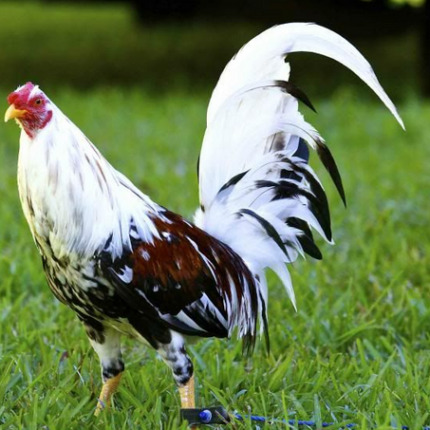
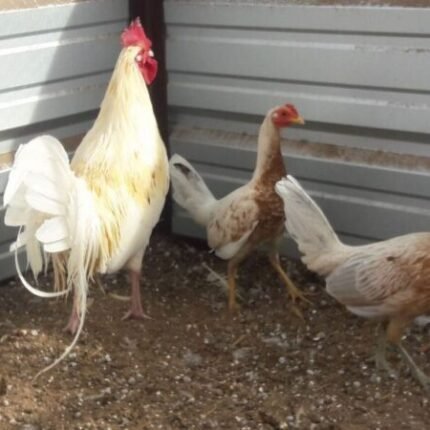
Shamo males are instantly recognizable due to their commanding and vertical stance.
Typical traits include:
-
Tall, upright posture
-
Broad chest and muscular shoulders
-
Thick legs with strong bone structure
-
Tight, close-fitting feathers
-
Alert expression with prominent brow
Their posture alone sets them apart from most other poultry breeds.
Temperament and Natural Behavior
These birds are alert, confident, and highly aware of their surroundings. They are not docile and should not be treated like standard backyard chickens.
Behavior traits often include:
-
Strong territorial awareness
-
Calm but assertive presence when managed correctly
-
Predictable behavior with experienced handling
-
High alertness and discipline
Because of this temperament, males are usually housed individually or in carefully controlled setups.
Breeding Value and Bloodline Importance
Many keepers seek these birds specifically for breeding. Quality males are valued for:
-
Correct posture and structure
-
Strong genetic consistency
-
Clear breed characteristics
-
Contribution to long-term heritage preservation
Responsible breeders carefully select breeding pairs to maintain traditional traits and avoid dilution of the bloodline. A well-bred male plays a key role in producing quality offspring.
Housing and Space Requirements
Proper housing is essential for health and manageability.
Recommended setup includes:
-
Secure individual pens
-
Strong fencing to prevent escape
-
Dry, well-ventilated shelters
-
Elevated roosting areas
These birds require more space than standard chickens due to their size and activity level. Overcrowding should always be avoided.
Feeding and Nutrition
A balanced diet helps maintain muscle tone, feather quality, and overall health.
Typical feeding program:
-
High-quality breeder or gamefowl feed
-
Controlled protein levels appropriate to age
-
Whole grains such as corn or wheat
-
Occasional greens for enrichment
-
Constant access to clean water
During breeding seasons, nutrition may be adjusted to support condition and vitality.
Health and General Care
When raised in clean and well-managed environments, these birds are generally hardy.
Basic care includes:
-
Routine observation for stress or illness
-
Clean feeding and watering equipment
-
Dry bedding to protect feet and legs
-
Preventive parasite management
Consistent hygiene and attentive care are key to long-term success.
What to Look for Before Purchasing
Before buying, evaluate the source carefully. A reputable seller should provide:
-
Clear bloodline information
-
Healthy, alert birds
-
Clean housing conditions
-
Transparent communication
Avoid sellers offering unclear lineage details or birds that appear poorly conditioned.
Who Should Own This Type of Bird?
These Japanese heritage roosters are best suited for:
-
Experienced poultry or gamefowl breeders
-
Heritage poultry enthusiasts
-
Educational or exhibition programs
-
Keepers with adequate space and secure facilities
They are not recommended for beginners or casual backyard poultry keepers.
Ethical and Legal Considerations
Anyone keeping heritage gamefowl should:
-
Follow all local and regional poultry regulations
-
Practice ethical and humane bird care
-
Focus on responsible breeding and long-term welfare
Ethical stewardship helps preserve this historic breed for future generations.
Choosing to buy Shamo roosters is a decision best made by those who appreciate heritage poultry and understand the responsibility involved. With their powerful build, disciplined temperament, and historic significance, these Japanese gamefowl males remain highly respected among traditional poultry breeds.
When sourced responsibly and cared for properly, they become a valuable and meaningful part of a heritage-focused poultry program.




Reviews
There are no reviews yet.