 info@featherflockers.com
 Aseel Fighting
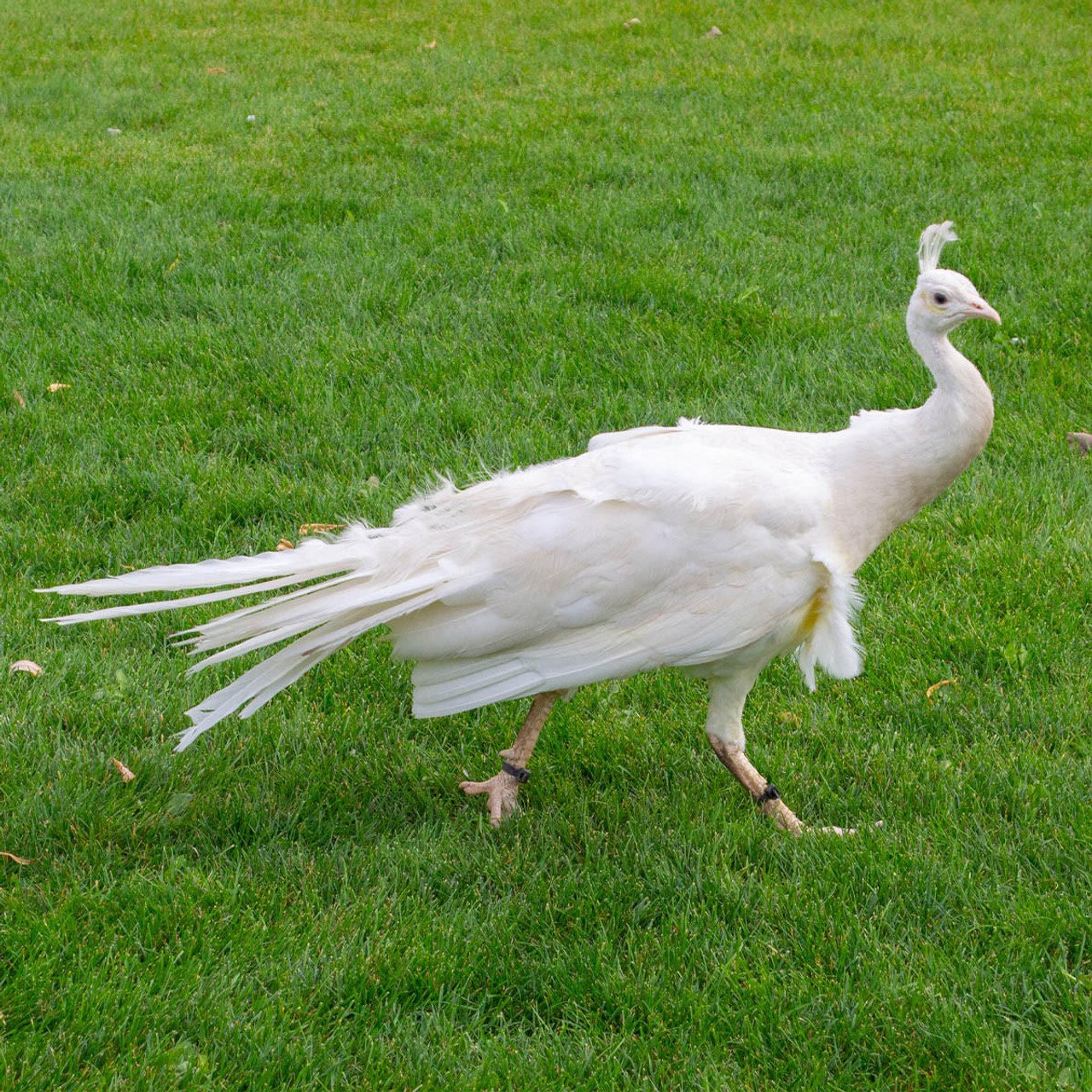
White Peafowl Female: Complete Guide to This Rare and Elegant Ornamental Bird
The white peafowl female—commonly known as a white peahen—is one of the most graceful and visually striking ornamental birds kept today. Valued for her pure white plumage, calm temperament, and breeding importance, this bird is a popular choice for aviaries, estates, farms, and exotic bird collections.
Unlike the colorful male peacock, the female plays a vital role in reproduction and flock stability, making her essential for anyone interested in raising or breeding white peafowl.
What Is a White Peahen?
A white peahen is not an albino bird. Instead, she is a color mutation of the Indian Blue Peafowl (Pavo cristatus). This genetic trait produces all-white feathers while maintaining normal eye color and healthy pigmentation.
Key identifying features include:
-
Uniform white feathers
-
Slim, balanced body structure
-
Short tail without an ornamental train
-
Soft crest feathers on the head
These birds are prized for elegance rather than dramatic display.
Appearance and Physical Characteristics
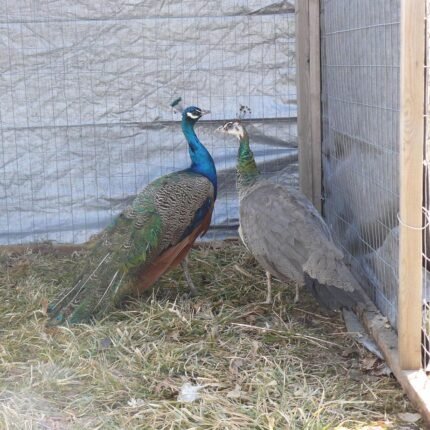
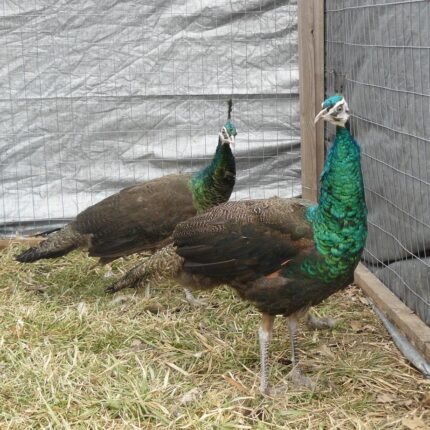
Female peafowl are more understated in appearance than males, but their beauty lies in simplicity. The feathers are clean white and may show a subtle sheen in sunlight. Compared to peacocks, peahens have:
-
Smaller crests
-
Shorter tails
-
Less pronounced coloration
Their refined look makes them ideal for ornamental landscapes and quiet aviary environments.
Temperament and Behavior
Female white peafowl are generally calm, observant, and adaptable when raised in suitable conditions. They are less aggressive than males and integrate well into mixed peafowl groups.
Common traits include:
-
Mild, non-confrontational behavior
-
Strong awareness of surroundings
-
Good compatibility with other peafowl
-
Maternal instincts during breeding season
They prefer spacious, low-stress environments where they can roam freely.
Importance in Breeding Programs
A healthy female is essential for any successful breeding setup. When paired with:
-
A white male, offspring are typically all white
-
A blue or pied male, chicks may carry color variations
Because of this, breeders place significant value on well-raised white peahens with strong genetics. Females usually begin breeding reliably at two to three years of age.
Egg Laying and Reproductive Cycle
Female peafowl typically lay:
-
4–8 eggs per season
-
Cream or light tan eggs
-
Eggs laid during spring and early summer
Some hens will brood naturally if given a safe nesting area, while others’ eggs can be incubated artificially with excellent hatch rates.
Housing and Space Needs
Proper housing is essential for long-term health.
Recommended setup:
-
Large outdoor enclosure or fenced range
-
Elevated perches for nighttime roosting
-
Dry shelter from rain and wind
Peafowl prefer height and open space rather than confined coops. Good drainage is especially important to keep feathers and feet healthy.
Feeding and Nutrition
A balanced diet supports fertility, feather quality, and overall health.
Ideal diet includes:
-
Game bird or peafowl feed
-
Whole grains such as corn or wheat
-
Fresh greens and vegetables
-
Constant access to clean water
During egg-laying season, calcium supplementation is recommended.
Climate Adaptability
Female peafowl adapt well to many climates. They tolerate heat easily and can handle cooler temperatures when provided with:
-
Wind protection
-
Dry bedding
-
Covered roosting areas
Extreme cold or damp conditions should be avoided, as wet feathers can lead to health issues.
Female vs Male Peafowl
Understanding the difference helps with flock planning:
| Trait | Female | Male |
|---|---|---|
| Tail | Short | Long ornamental train |
| Behavior | Calm | More territorial |
| Role | Egg laying & brooding | Display & breeding |
| Appearance | Elegant, simple | Highly decorative |
Both are important, but females are essential for sustainability.
What to Look for Before Buying
When selecting a female bird, look for:
-
Bright eyes and clean feathers
-
Active, alert movement
-
Proper body weight
-
Transparent seller information
Avoid birds that appear lethargic or poorly feathered.
Why Choose This Bird?
This ornamental bird is ideal if you:
-
Want to breed white peafowl
-
Prefer calm, elegant birds
-
Have adequate outdoor space
-
Value rarity and long-term beauty
With proper care, these birds can live and reproduce for many years.
The white peafowl female is a rare and valuable ornamental bird prized for her beauty, calm nature, and essential breeding role. Whether kept for reproduction, display, or collection, she adds elegance and distinction to any environment.
With correct housing, nutrition, and sourcing from reputable breeders, this bird becomes a long-term and rewarding investment.



Reviews
There are no reviews yet.